[Future] Videos

Join us for “Pioneering Tomorrow: AI Applications in Life Sciences—Transforming Healthcare, Counselling, and ESG for a Smarter, Healthier and Sustainable Future,” a groundbreaking talk by Paul Fraley. This session will delve into the cutting-edge applications of Artificial Intelligence in healthcare, counselling, and Environmental, Social, and Governance (ESG) sectors. Paul Fraley, with his extensive experience in digital healthcare and AI, will explore how AI technologies are revolutionizing patient care, enhancing decision-making in healthcare settings, and fostering sustainable practices across these critical fields. Through real-world examples and insights, attendees will gain a deeper understanding of AI’s transformative potential and its role in shaping a more sustainable future.
Speaker: Mr Paul Fraley, AI Expert and Technology Innovator
***************************************************
?????????????????????
?????https://hkuspace.hku.hk/cht/
Facebook: https://www.facebook.com/hkuspace.openspace/
Instagram: https://www.instagram.com/hku_hkuspace/
LinkedIn: https://www.linkedin.com/company/hku-space/

???? They call it “aid”—but it’s a TRAP! Foreign powers are looting Africa’s gold, oil, and minerals through predatory “resource-for-infrastructure” deals. This is how we BREAK FREE from debt colonialism and reclaim our wealth!
???? In This Video:
? The Hidden Contract Clause – How loans backed by your country’s resources turn sovereignty into modern-day slavery.
? China vs. West – Why BOTH are guilty of “debt trap diplomacy” in Africa.
? Ghana’s Fightback – How one nation renegotiated a toxic bauxite deal (and how YOUR country can too).
? The African Union’s Secret Weapon – The Debt Review Board that could nullify unfair loans.
? What YOU Can Do – Petition leaders, expose corrupt deals, and protect your nation’s future.
?? WARNING: Foreign powers don’t want you to share this. LIKE & SHARE before it’s buried!
Strategy
???? Join the Movement:
???? LIKE if you demand AFRICAN RESOURCES FOR AFRICANS!
???? COMMENT your country below – we’ll expose its worst debt trap!
???? SUBSCRIBE for uncensored investigations into neocolonialism.
???? Hashtags:
#DebtTrapExposed #ResourceJustice #CancelAfricanDebt #StopTheLoot #EconomicLiberation
?? NOTE: This is not anti-development—it’s about fair deals that don’t mortgage our grandchildren’s future!
#TheAfricaWeDeserve ?????????

In this episode of The Higher Standard, Chris and Saied take a wrecking ball to the myths of modern homeownership—armed with caffeine, sarcasm, and a well-earned chip on their shoulder. From the Fed’s tightrope act to the slow-motion implosion of consumer confidence, they unpack the real estate market’s latest mood swings, including a 5.9% drop in existing home sales and why homebuilder incentives might not be the golden ticket they appear to be. Whether it’s mortgage points, ARMs, or the lock-in effect, the guys explain how debt, equity, and psychology are shaping a volatile new paradigm for aspiring homeowners.
?? But wait—this isn’t just economic therapy. It’s also gym confessions, cold plunges, burrito-based diet plans, and a hard truth: you’re probably not timing the market better than Warren Buffett. The duo dives into the dangers of being house poor, why your credit score isn’t as accurate as you think, and why buying a home should be more about life fit than market timing. If you’ve ever wondered whether intermittent fasting, lifting routines, and homeownership prep could be discussed in the same breath, buckle up. This is The Higher Standard—where financial literacy meets real-life chaos and a lot of unsolicited fitness advice.
???? Share your experiences and thoughts in the comments below.
? *And don’t forget to subscribe!* ?? https://www.youtube.com/@higherstandardpodcast?sub_confirmation=1
—–
???? *Listen to THS on:*
??Apple Podcasts: https://podcasts.apple.com/us/podcast/the-higher-standard/id1596999039
??Spotify Podcasts: https://open.spotify.com/show/4GWJoCTk8jQRwKyutOERtP?si=70a1afa6b362474f
—–
???? *THS MERCH:* http://thspod.com
—–
*Welcome to the official YouTube channel of The Higher Standard, the #1 financial literacy podcast in the world.*
????This isn’t a different standard, it’s The Higher Standard. We go beyond just reporting news; we simplify complex economic events into clear, useful insights.
???? Have you left your “honest ??????????” review?
???? *Don’t just follow the norm; elevate your financial literacy with us. Subscribe and hit the bell (????) to never miss an episode.*
—–
???? *Let’s Connect!*
?? Instagram: https://www.instagram.com/higherstandardpodcast/
?? Website: https://www.higherstandardpodcast.com
???? Join The Higher Standard private email list for written articles, show resources & more: http://eepurl.com/hLykI1
???? *Follow Chris On:*
https://www.youtube.com/chrisnaghibi
https://www.instagram.com/chrisnaghibi/
https://www.facebook.com/ChrisNaghibi/
https://twitter.com/chrisnaghibi
https://www.tiktok.com/@chrisnaghibi
???? *Follow Saied On:*
https://www.instagram.com/saiedm.omar/
—–
???? *Referenced Show Links:*
CNBC
March home sales drop to their slowest pace since 2009
https://www.cnbc.com/2025/04/24/march-home-sales-drop.html
—–
? *Chapters:*
00:00:00 Welcome Back to The Higher Standard
00:03:07 Existing Home Sales Drop: What It Really Means
00:04:30 The Equity Illusion: Why Confidence May Collapse
00:06:44 The Disappearing Middle Class & Homeownership Divide
00:09:33 How Homebuilders Use Incentives to Survive
00:13:04 Mortgage Points & Buying Down Your Rate Explained
00:15:13 ARMs: Useful Tool or Financial Trap?
00:21:08 Financial Awareness 101: Stop Overcomplicating It
00:44:10 The Lock-In Effect: Why Nobody’s Selling
00:47:03 Rate Cut Fantasy: The Fed’s Political Tightrope
00:48:39 Homebuyer Prep: Credit, Cash, and Caution
01:01:00 The Case Against Timing the Market
01:03:02 Don’t Be House Poor (Seriously)
—–
?? *Disclaimer:*
Please note that the content shared on this show is solely for entertainment purposes and should not be considered legal or investment advice or attributed to any company. The views and opinions expressed are personal and not reflective of any entity. We do not guarantee the accuracy or completeness of the information provided, and listeners are urged to seek professional advice before making any legal or financial decisions. By listening to The Higher Standard podcast you agree to these terms, and the show, its hosts and employees are not liable for any consequences arising from your use of the content.
—–
#TheHigherStandard #Podcast #FinancialLiteracy #HousingMarket #HomeownershipCrisis #MortgageRates #ARMloans #Equity #ConsumerConfidence #RecessionWatch #InterestRates #FedPolicy #RealEstateInvesting #MiddleClassShrinkage #CreditTips #PersonalFinance
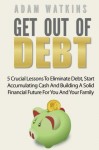
Get out of Debt: 5 Lessons you must take right now!
Depending upon your specific circumstances, there are distinctive ways to deal with escaping obligation. How about we examine them right now so you can choose which approach will work better for you, in view of where you are monetarily at this moment.
If you have been paying your bills on time and have a good credit record (and want to keep it in a good position), and you are working and have a monthly income, then you can follow the plan outlined in Part 2. of this book – Credit Counseling or Debt Settlement will not be a good choice for you.
If your accounts are past due and you cannot make the payments, then the Credit Counseling (also commonly known as Debt Management or Debt Consolidation) or the Debt Settlement might be a good choice for you. You can go to Part 3 for more information on these services.
It’s important to note that there is no magic bullet that will work for every debt situation. In any case, remember that much of the time, cash issues are NOT the consequence of budgetary issues but instead an aftereffect of how we think.
This may sound esoteric to some people, but when you think about it you will realize that it is true. For example, take any self-made millionaire, somebody that went from poverty to millionaire by himself or herself. If you were to take all their money away, do you think they can make it back? You bet! The reason is that they have a different set of beliefs about what is possible in life, they think differently than most people.
And when you consider that most people that won the lottery lost it all within just a couple of years, then you can see that how we think and what we believe is possible for us makes all the difference in the world.
I don’t believe in luck. I don’t believe that we are like a leaf in the wind that goes where the wind blows, with no control whatsoever over what is possible. I used to think that way, but not anymore. I believe that we are all in charge of our lives and in charge of our destinies. And I invite you to try this approach in your life, and discover that in reality, you truly are in charge of your destiny. Anything is possible for you, no matter how the economy is doing or what is going on around you.
This is the main reason I included the section about how to change your limiting beliefs in this book. Even if you manage to get out of debt without changing your beliefs about what is possible for you, then there is a very high chance that you may get back in debt in the near future. And I sincerely want you to live a successful, happy life that I strongly believe is your birthright.
There is so much abundance around us all the time, yet we fail to appreciate it. Instead, we are taught from an early age that all supplies are limited. Limited jobs, limited opportunities, limited money, limited everything! Then no wonder when we analyze our belief systems -see Part 4- all kinds of limiting beliefs start popping up that we never knew we had, but we have been blindly guiding everything we did in our lives since we were little kids.
I sincerely want you to become debt-free as soon as possible, because I believe that being in debt is being in financial slavery. It limits everything you do in your life going from whether you will send your kids to private or public school and the education they will receive, the area of town and the house you will live in all the way even to the medical insurance you will get! When you are in a good financial situation, you have many more choices available to you. Living in poverty is NOT the solution to the world’s problems.
Now it’s time to begin your journey. If you are ready to become debt free and live a financially stress-free life, turn the page over to Part One, where I discuss what credit is and how it can either destroy you or make you rich, depending on how you use it. You will learn
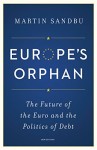
Originally conceived as part of a unifying vision for Europe, the euro is now viewed as a millstone around the neck of a continent crippled by vast debts, sluggish economies, and growing populist dissent. In Europe’s Orphan, leading economic commentator Martin Sandbu presents a compelling defense of the euro. He argues that rather than blaming the euro for the political and economic failures in Europe since the global financial crisis, the responsibility lies firmly on the authorities of the eurozone and its member countries. The eurozone’s self-inflicted financial calamities and economic decline resulted from a toxic cocktail of unforced policy errors by bankers, politicians, and bureaucrats; the unhealthy coziness between finance and governments; and, above all, an extreme unwillingness to restructure debt.
Sandbu traces the origins of monetary union back to the desire for greater European unity after the Second World War. But the euro’s creation coincided with a credit bubble that governments chose not to rein in. Once the crisis hit, a battle of both ideas and interests led to the failure to aggressively restructure sovereign and bank debt. Ideologically informed choices set in motion dynamics that encouraged more economic mistakes and heightened political tensions within the eurozone. Sandbu concludes that the prevailing view that monetary union can only work with fiscal and political union is wrong and dangerous–and risks sending the continent into further political paralysis and economic stagnation.
Contending that the euro has been wrongfully scapegoated for the eurozone’s troubles, Europe’s Orphan charts what actually must be done for the continent to achieve an economic and political recovery.
This revised edition contains a new preface addressing the economic and political implications of Brexit, as well as updated text throughout. Europe’s Orphan charts what actually must be done for the continent to achieve a full recovery.
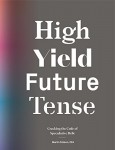
The debut book publication by the New York Society of Security Analysts, a not-for-profit professional society dedicated to professional excellence and ethics in financial markets, High Yield, Future Tense: Cracking the Code of Speculative Debt presents the outlook for high yield bonds and predicts profound changes in the marketplace. Its four sections contain 18 contributions by 29 experts from finance and academe. PART 1: Market Dynamics Three contributions explore whether a crisis will follow today’s low default rates and narrow yield spreads. Four others examine whether high yield spreads over-compensate for risk, uphold classic criticisms of underwriting practices, analyze market liquidity, and detail leveraged loans’ evolution in a bond-like direction. PART 2: Active Management This section sheds light on non-standard leading indicators of high yield performance; the relationship between high yield and equity returns and distressed debt managers’ response to the current, unusual credit cycle. PART 3: Analytical Innovation Successful high yield investing depends on accurate estimation of risks other than default probability. New methodologies that address them include: systematic scoring of the quality of covenant packages of new issues and a monthly index of covenant quality; solutions to problems in measuring performance, quality, and valuation that may lead to investment errors and quantification of issue-level liquidity, enabling investors to make explicit tradeoffs between spread and liquidity. PART 4: Benchmarking This section’s chapters address intrinsic flaws in market indices. The authors predict further specialization of subindices to accommodate specialized strategies, address challenges of high yield index construction from the portfolio manager’s perspective, and show the advantages of non-market-cap-weighted indices. Contains 168 exhibits, including 111 charts and graphs and 57 tables, plus 31 mathematical formulae.
No Matter Where You Start, David Bach Can Help You Live and Finish Rich
With his national bestsellers Smart Women Finish Rich and Smart Couples Finish Rich, renowned financial advisor and educator David Bach has taught millions of people of all ages and incomes how to take control of their financial future. His message, that the key to building wealth is “values first, stuff second,” has inspired people all over the world. Now, The Finish Rich Workbook gives couples and singles alike a new opportunity to tailor his advice for their individual circumstances. Combining the down-to-earth, jargon-free approach that has made him so popular with the hands-on practicality of a workbook, this new addition to the Finish Rich series is like having a one-on-one session with David Bach. You will learn how to:
• Use the power of the Latte Factor™, David Bach’s international recognized approach to building wealth on a few dollars a day.
• Apply the Debt Free SolutionTM, a powerful way to reduce debt quickly and repair your credit in the process.
• Organize your financial life in minutes with the FinishRich Inventory Planner™ and File Folder system, including a pull-out summary of where you stand financially.
• Craft a personalized FinishRich QuickStart™ plan–a to-do list for today, this month, and this year, so you can get started right away.
• Find the perfect financial advisor by using the FinishRich Advisor Questionaire™ to find, interview, screen, and score an advisor before you hire them.
Whether you’re working with a few dollars a week or quite a bit more, Bach’s nine-step program will help you put the Finish Rich wisdom right to work for you.
Originally conceived as part of a unifying vision for Europe, the euro is now viewed as a millstone around the neck of a continent crippled by vast debts, sluggish economies, and growing populist dissent. In Europe’s Orphan, leading economic commentator Martin Sandbu presents a compelling defense of the euro. He argues that rather than blaming the euro for the political and economic failures in Europe since the global financial crisis, the responsibility lies firmly on the authorities of the eurozone and its member countries. The eurozone’s self-inflicted financial calamities and economic decline resulted from a toxic cocktail of unforced policy errors by bankers, politicians, and bureaucrats; the unhealthy coziness between finance and governments; and, above all, an extreme unwillingness to restructure debt.
Sandbu traces the origins of monetary union back to the desire for greater European unity after the Second World War. But the euro’s creation coincided with a credit bubble that governments chose not to rein in. Once the crisis hit, a battle of both ideas and interests led to the failure to aggressively restructure sovereign and bank debt. Ideologically informed choices set in motion dynamics that encouraged more economic mistakes and heightened political tensions within the eurozone. Sandbu concludes that the prevailing view that monetary union can only work with fiscal and political union is wrong and dangerous–and risks sending the continent into further political paralysis and economic stagnation.
Contending that the euro has been wrongfully scapegoated for the eurozone’s troubles, Europe’s Orphan charts what actually must be done for the continent to achieve an economic and political recovery.
?Despite clear danger and explicit warnings, the United States of America?distracted by short-term challenges and its own political dysfunction?is steaming toward its own collision, one with long-term debt.”
Philanthropist, businessman, and former secretary of commerce Peter G. Peterson argues that we can no longer ignore the long-term debt challenges facing our country, because our economic future depends on it. The gross federal debt now exceeds $17 trillion and it is expected to rise rapidly in the decades to come. If the growing gap between projected spending and revenues continues to widen, our federal debt is projected to soar to the highest levels in our nation’s history?more than four times its average over the past forty years. This growing debt and the associated interest costs divert resources away from important public and private investments that are critical to our global competitiveness, threatening our future economy.
Peterson has made it his life’s work to bring awareness to America’s key economic and fiscal challenges. He makes clear that if we continue to ignore America’s long-term debt, we will diminish economic opportunities for future generations, weaken our ability to protect the most vulnerable, and undermine the competitive strength of our businesses globally.
The drama-filled, economically damaging budget battles of the last few years have focused almost entirely on the short term?putting aside the more difficult, but much more important, long-term issues. Peterson offers nonpartisan analysis of our economic challenges and a robust set of options for solving our long-term debt problems. He looks at the impact of aging baby boomers, growing healthcare costs, outdated military spending, a flawed tax code, and our divided political system. And he offers hopeful, durable, and achievable solutions for improving our fiscal outlook through a mix of progrowth reform options that would reduce government spending and increase revenue, and could be phased in gradually in the years to come.
There’s still time to restore the United States as a land of opportunity. Peterson’s diagnosis and recommendations can help us confront our fiscal reality, address our long-term debt, and steer the country safely toward a more secure and dynamic economic future.

Get control of your finances – and your future!
Do you feel like you’ll never pay off your student loans? Worried about your mounting credit card debt? Wondering when you’ll ever make enough money to stop living paycheck to paycheck? You’re not alone – millions of young Americans are finding it hard to save for the future and still pay today’s bills on time.
But with The Everything Personal Finance in Your 20s and 30s Book, 3rd Edition, you’ll learn how to be financially independent by:Creating a workable budgetMinimizing credit card and student loan debtInvesting money wiselyBuilding an emergency fund You’ll also learn how the Consumer Financial Protection Bureau can help you navigate the often-confusing world of financial service products. With this easy-to-use guide, you’ll learn how to manage, save, and invest wisely – starting today!