[Governments] Videos

Developed economies around the world are loaded up with debt. That was less of a problem in the era of free money but inflationary pressures are back and structurally-higher interest rates mean debt is more expensive to issue and service. Many investors have been warning that governments are addicted to debt for the past 20 years and the alarm bells are growing louder. This film examines what some are calling the biggest issue in global finance today, the role of the ‘bond vigilantes’, and whether government borrowing could spiral out of control.
#markets #debt #borrowing #déficit #bonds #trading #investment #finance #investors #japan #us #donaldtrump #elonmusk #doge #uk #liztruss #rachelreeves #germany #friedrichmerz #china #italy #france #yields #bondvigilantes #bondmarket
00:00 Introduction
01:05 Why the world is ‘addicted’ to debt
03:27 Government bonds explained
04:11 The debt ‘death spiral”
06:18 Where does the deficit go?
07:47 Inflationary pressures
09:59 Return of the ‘bond vigilantes’
11:03 The UK’s Liz Truss moment
12:39 America’s unsustainable debt profiles
17:32 Japan’s debt and its determined central bank
18:54 China’s ‘staggering’ debt levels
19:50 Italy, France and Germany
22:49 A risk of a financial market ‘heart attack’
24:51 Deficits ‘can be useful’
27:12 The future
? Enjoying FT content? Get a daily slice of the very best FT journalism with FT Edit. Free for 30 days then just £4.99 a month
See if you get the FT for free as a student (http://ft.com/schoolsarefree) or start a £1 trial: https://subs.ft.com/spa3_trial?segmentId=3d4ba81b-96bb-cef0-9ece-29efd6ef2132.
? Check out our Community tab for more stories: https://www.youtube.com/@FinancialTimes/community
? Listen to our podcasts: https://www.ft.com/podcasts
? Follow us on Instagram: https://www.instagram.com/financialtimes
? Follow us on Instagram: https://www.tiktok.com/@financialtimes
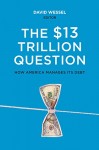
The underexamined art and science of managing the federal government’s huge debt.
Everyone talks about the size of the U.S. national debt, now at $13 trillion and climbing, but few talk about how the U.S. Treasury does the borrowing even though it is one of the world’s largest borrowers. Everyone from bond traders to the home-buying public is affected by the Treasury’s decisions about whether to borrow short or long term and what types of bonds to sell to investors.
What is the best way for the Treasury to finance the government’s huge debt? Harvard’s Robin Greenwood, Sam Hanson, Joshua Rudolph, and Larry Summers argue that the Treasury could save taxpayers money and help the economy by borrowing more short term and less long term. They also argue that the Treasury and the Federal Reserve made a huge mistake in recent years by rowing in opposite directions: while the Fed was buying long-term bonds to push investors into other assets, the Treasury was doing the opposite selling investors more long-term bonds.
This book includes responses from a variety of public and private sector experts on how the Treasury does its borrowing, some of whom have criticized the way the Treasury has been managing its borrowing.