[Know] Videos

“Beverly Harzog is a credit warrior. She has gone into the arena, faced the lions, and emerged as one of the foremost experts in the field. I believe that her encyclopedic knowledge of the world of credit cards is unmatched.”
-Adam Levin, Chairman and Cofounder, Credit.com
Credit card expert Beverly Harzog shares how she went from being a credit card disaster to a credit card diva.
When Beverly got out of college, she spent the next 10 years racking up debt on seven credit cards. Credit card limits, she believed, were merely “guidelines,” certainly not anything to be taken seriously. . .especially if she was in dire need of a new pair of shoes. The fact that she was a Cpa at the time adds an ironic twist to the credit quagmire she slowly descended into.
In Confessions of a Credit Junkie, Beverly candidly details her own credit card mishaps and offers easy-to-follow advice, often with a touch of Southern humor, to help others avoid them. In this much-needed book, you’ll learn:
How to use the Credit Card Personality Quiz to choose the right credit cards
The seven ways to use a credit card to rebuild credit
How to get out of debt using a balance transfer credit card-and pay zero interest while doing it
Credit card strategies to save a bundle on groceries, gas, and more
Anyone in debt will benefit from the down-to-earth, practical tips Beverly offers.
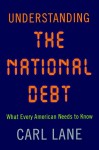
The staggering United States debt has a direct impact on every American, yet few are aware of where the debt came from and how it affects their lives
The United States has a debt problem—we owe more than $18 trillion while our gross domestic product, the value of all goods and services produced in America, is only $17.5 trillion. To pay down the debt, some recommend austerity, cutting federal expenditures. Others suggest increasing taxes, especially on the wealthiest Americans. In Understanding the National Debt: What Every American Needs to Know, economic historian Carl Lane urges that the national debt must be addressed in ways beyond program cuts or tax increase alternatives, but change can only occur when more Americans understand what constitutes our debt and the problems it causes. The gross national debt is composed of two elements: the public debt and “intragovernment holdings.” The public debt consists of bonds, bills, and notes purchased by individuals, banks, insurance companies, hedge and retirement funds, foreign governments, and university endowments. Intragovernment holdings refers to money that the U.S. Treasury borrows from other parts of the government, principally Social Security and Medicare. This accounts for approximately a quarter of the gross national debt, but that is money that we owe to ourselves, not another entity. The more the government borrows, the less is available for private sector investment, creating a “squeeze” effect that inhibits economic growth. The most burdensome problem is the interest due each year on the debt. Every dollar spent on interest is a dollar less for other purposes. Those elements of the federal budget which are termed “discretionary” suffer. The mandatory elements of the budget—Social Security, Medicare, Medicaid, and the interest on the debt—must be provided for, but defense and national security, education, energy, infrastructure repair and development, and other needs wind up with less. By understanding the national debt we have an opportunity to address our real debt challenge—its principal and interest.
Getting Your FREE Bonus
Download this book, read it to the end and see “BONUS: Your FREE Gift”chapter after the conclusion.
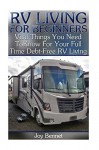
RV Living For Beginners:(FREE Bonus Included) Vital Things You Need To Know For Your Full Time Debt-Free RV Living
A guide that doesn’t disappoint, this book walks you through the fundamentals of RV’s and then some. These pages inform you of just how you can begin a lifetime of excitement traveling all over the country in your Recreational Vehicle while making sure that you live a life that is debt free.
Whether you are roughing it or more of a Glamper this book has everything you need to know to be able to live well within your means.
RV’s are called “Recreational Vehicles” because many wish to only take them out every once in a while, during the holiday or summer vacation excursions.
But these RV’s can be much more than recreational, they can be your fulltime home no matter where you park them, and this book teaches you how!
In this book we will learn about:
RV Maintenance Streamlining your Trip How to Keep a Budget Fuel Economy Free and Discount Parking And much more!
Download your E book ” RV Living For Beginners: Vital Things You Need To Know For Your Full Time Debt-Free RV Living ” by scrolling up and clicking “Buy Now with 1-Click” button!
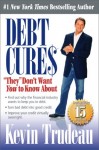
A “New York Times”-bestselling author–and one of the most controversial men in corporate America–blows the lid off the banking and credit card industries.
Every student wants Extra Credit! Extra Credit is not just another boring finance book. You’ll learn: • The top 10 ways credit card companies trick you. • When to use debit cards and when to use cash. • What is a credit score? • How to choose the right student loan. • The keys to succeed in college. • And much more…
Product Features
- Used Book in Good Condition
Put the most valuable business tool to work for you!
The balance sheet is the key to everything–from efficient business operation to accurate assessment of a company’s worth. It’s a critical business resource–but do you know how to read it? How to Read a Balance Sheet breaks down the subject into easy-to-understand components.
If you’re a business owner or manager, this book helps you . . . Manage working capital Generate higher returns on assets Maximize your inventory dollars Evaluate investment opportunities
If you’re an investor, this book helps you . . . Determine the market value of a company’s assets and operations Predict future earnings and trends Assess the impact of capital expenditures Identify potential “red flags” before the crowd
How to Read a Balance Sheet gives you the bottom line of what you need to know about:
Cash Flow * Assets * Debt * Equity * Profit and how it all comes together.