[Student] Videos
With updated information that reflects the myriad changes in the student loan industry that affect students and their parents burdened with student loan debt, CliffsNotes Graduation Debt, Second Edition provides a step-by-step road map for effectively managing student loan debt and having a successful financial life.
Reyna Gobel has accumulated tens of thousands of dollars in student loans, recovered from student loan default, and set herself on a mission to help others who face a seemingly insurmountable student loan burden, with a powerful message about taking a step-by-step approach and not being overwhelmed by the sheer weight of student loan debt.
Divided into small subsections geared toward those neck-deep in debt, this book is easily digestible to students who aren’t inclined to focus on their finances. Readers are encouraged to take action steps, such as finding long-lost student loans that may have gone into default, discovering payment plans they can afford, consolidating loans when it makes sense to do so, saving money on eating out and groceries, improving credit scores, tweaking their debt-to-income ratios so they can buy a home, and discussing their student loan and non-student loan debt with their significant others.
By the end of the book, readers will be on the road to financial stability, with extra money for vacations and other fun stuff, too.
Laura Newland’s generation has worked the hardest to gain admission to elite colleges and paid the most to attend. But when Newland left her Alabama hometown and arrived at Duke University, she found a liberal arts campus unlike anything depicted in those glossy guidebooks. The hypercompetitive battle for internships begins freshman year, and the economic pressures–student loans, the daunting cost of graduate degrees, high unemployment–are relentless. This perfect storm, brewing on campuses across the country, has fueled a Wall Street recruiting machine that is winning over the best and the brightest. In no time, Newland was seduced.
From Newland’s turbulent four years comes a provocative story of the higher education industry; the tension between ambition and indebtedness, privilege and purpose; and one student’s journey to make sense of it all.
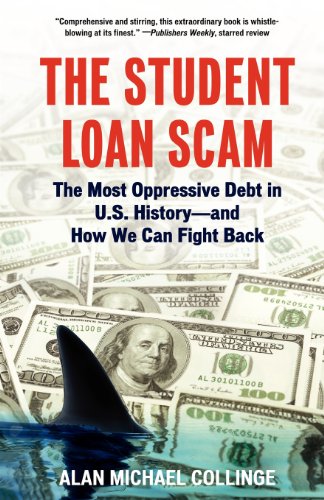
The Student Loan Scam is an exposé of the predatory nature of the $85-billion student loan industry. In this in-depth exploration, Collinge argues that student loans have become the most profitable, uncompetitive, and oppressive type of debt in American history.
This has occurred in large part due to federal legislation passed since the mid-1990s that removed standard consumer protections from student loans-and allowed for massive penalties and draconian wealth-extraction mechanisms to collect this inflated debt. High school graduates can no longer put themselves through college for a few thousand dollars in loan debt. Today, the average undergraduate borrower leaves school with more than $20,000 in student loans, and for graduate students the average is a whopping $42,000. For the past twenty years, college tuition has increased at more than double the rate of inflation, with the cost largely shifting to student debt.
Collinge covers the history of student loans, the rise of Sallie Mae, and how universities have profited at the expense of students. The book includes candid and compelling stories from people across the country about how both nonprofit and for-profit student loan companies, aided by poor legislation, have shattered their lives-and livelihoods. With nearly 5 million defaulted loans, this crisis is growing to epic proportions.
The Student Loan Scam takes an unflinching look at this unprecedented and pressing problem, while exposing the powerful organizations and individuals who caused it to happen. Ultimately, Collinge argues for the return of standard consumer protections for student loans, among other pragmatic solutions, in this clarion call for social action.