[U.S.] Videos

As the amount of student debt in the U.S. climbs to over $1.7 trillion, students each year are plunged into debilitating debt. President Biden campaigned on a promise of cancelling $10,000 in student debt for every single borrower, but so far his administration hasn’t moved to do so. Economists and activists say, even if he does cancel a portion of student debt, more must be done to prevent student loans from ballooning again in the future.
Student debt in the U.S. has ballooned to over $1.7 trillion since Congress first allowed college students to borrow from the government in 1958. This debt has varying effects on students, workers and the larger economy.
“We see the student debt crisis when it comes to individual student loan borrowers. We see how student loan borrowers struggle to save for retirement, to have emergency savings, to buy houses, to start small businesses,” Student Borrower Protection Center former executive director Seth Frotman told CNBC.
In the last few years, though, activists from both sides of the aisle have called for the president to do something about student debt. Many have even pushed for outright cancellation.
“It is abundantly clear that under a statute called the Higher Education Act, the president of the United States has the legal authority to cancel federally owned student debt,” said Rep. Mondaire Jones, D- N.Y.
Some argue that debt cancelation isn’t the answer and would mostly benefit wealthier borrowers who don’t have a problem paying off their loans on time.
“If I were to say to you, would you borrow one hundred thousand dollars to go to Harvard Law School, you wouldn’t blink and say yes, that’s clearly a good deal,” Wellesley College economics professor Phil Levine said. “We shouldn’t be absolving those people off their debt. They made an enormous investment that’s going to pay off, really, a lot.”
President Joe Biden has been largely silent about a plan to broadly cancel student debt since taking office, even though he campaigned on canceling up to $10,000 in student debt for all borrowers. However, his administration has absolved some student debt for certain groups like borrowers with disabilities and active duty service members.
» Subscribe to CNBC: https://cnb.cx/SubscribeCNBC
» Subscribe to CNBC TV: https://cnb.cx/SubscribeCNBCtelevision
» Subscribe to CNBC Classic: https://cnb.cx/SubscribeCNBCclassic
About CNBC: From ‘Wall Street’ to ‘Main Street’ to award winning original documentaries and Reality TV series, CNBC has you covered. Experience special sneak peeks of your favorite shows, exclusive video and more.
Connect with CNBC News Online
Get the latest news: https://www.cnbc.com/
Follow CNBC on LinkedIn: https://cnb.cx/LinkedInCNBC
Follow CNBC News on Facebook: https://cnb.cx/LikeCNBC
Follow CNBC News on Twitter: https://cnb.cx/FollowCNBC
Follow CNBC News on Instagram: https://cnb.cx/InstagramCNBC
#CNBC
How Soon Could Pres. Biden Cancel Student Debt?

? HOW TO MAKE MONEY ON AMAZON – FREE eCOURSE: ?
? http://TheAmazonGPS.com ?
—————————————————————————————————
LOOK THROUGH MY BOOKS! http://books.themoneygps.com
SUPPORT MY WORK: https://www.patreon.com/themoneygps
PAYPAL: https://goo.gl/L6VQg9
OTHER: http://themoneygps.com/donate
—————————————————————————————————
AUDIOBOOK: http://themoneygps.com/store
T-SHIRTS: http://merch.themoneygps.com
MY FAVORITE BOOKS: http://themoneygps.com/books
—————————————————————————————————
Sources Used in This Video:
http://bit.ly/TheMoneyGPSSources2020
—————————————————————————————————
The Money GPS is the most active, most informative channel in the financial world. Day after day, breaking down the data and making it easy to understand. This channel is not here to help build a portfolio, give stock picks, or financial advice. It’s simply data that is generally not found through conventional means.
The financial system requires ever-increasing levels of debt. The stock market require more and more debt. The average person needs it as well. There has never been a time in history where this much debt has been punishing the structure that they’ve created. There’s no way this ends well.
#money #finance #invest

Student debt has reached an all-time high in the U.S., and it’s not just millennials who are struggling.
Subscribe to The Daily Show:
https://www.youtube.com/channel/UCwWhs_6x42TyRM4Wstoq8HA/?sub_confirmation=1
Follow The Daily Show:
Twitter: https://twitter.com/TheDailyShow
Facebook: https://www.facebook.com/thedailyshow
Instagram: https://www.instagram.com/thedailyshow
Watch full episodes of The Daily Show for free: http://www.cc.com/shows/the-daily-show-with-trevor-noah/full-episodes
Follow Comedy Central:
Twitter: https://twitter.com/ComedyCentral
Facebook: https://www.facebook.com/ComedyCentral
Instagram: https://www.instagram.com/comedycentral
About The Daily Show:
Trevor Noah and The World’s Fakest News Team tackle the biggest stories in news, politics and pop culture.
The Daily Show with Trevor Noah airs weeknights at 11/10c on Comedy Central.
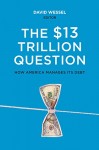
The underexamined art and science of managing the federal government’s huge debt.
Everyone talks about the size of the U.S. national debt, now at $13 trillion and climbing, but few talk about how the U.S. Treasury does the borrowing even though it is one of the world’s largest borrowers. Everyone from bond traders to the home-buying public is affected by the Treasury’s decisions about whether to borrow short or long term and what types of bonds to sell to investors.
What is the best way for the Treasury to finance the government’s huge debt? Harvard’s Robin Greenwood, Sam Hanson, Joshua Rudolph, and Larry Summers argue that the Treasury could save taxpayers money and help the economy by borrowing more short term and less long term. They also argue that the Treasury and the Federal Reserve made a huge mistake in recent years by rowing in opposite directions: while the Fed was buying long-term bonds to push investors into other assets, the Treasury was doing the opposite selling investors more long-term bonds.
This book includes responses from a variety of public and private sector experts on how the Treasury does its borrowing, some of whom have criticized the way the Treasury has been managing its borrowing.
Albert Sbragia considers American urban government as an investor whether for building infrastructure or supporting economic development. Over time, such investment has become disconnected from the normal political and administrative processes of local policymaking through the use of special public spending authorities like water and sewer commissions and port, turnpike, and public power authorities.
Sbragia explores how this entrepreneurial activity developed and how federal and state policies facilitated or limited it. She also analyzes the implications of cities creating innovative, special-purpose quasi-governments to circumvent and dilute state control over city finances, diluting their own authority in the process.
Product Features
- Used Book in Good Condition
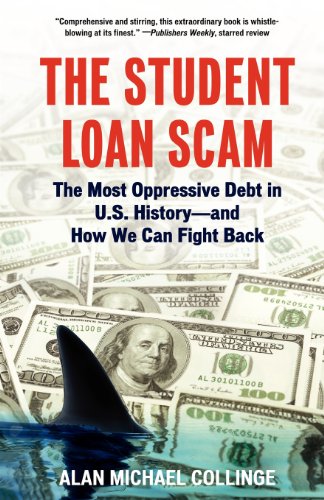
The Student Loan Scam is an exposé of the predatory nature of the $85-billion student loan industry. In this in-depth exploration, Collinge argues that student loans have become the most profitable, uncompetitive, and oppressive type of debt in American history.
This has occurred in large part due to federal legislation passed since the mid-1990s that removed standard consumer protections from student loans-and allowed for massive penalties and draconian wealth-extraction mechanisms to collect this inflated debt. High school graduates can no longer put themselves through college for a few thousand dollars in loan debt. Today, the average undergraduate borrower leaves school with more than $20,000 in student loans, and for graduate students the average is a whopping $42,000. For the past twenty years, college tuition has increased at more than double the rate of inflation, with the cost largely shifting to student debt.
Collinge covers the history of student loans, the rise of Sallie Mae, and how universities have profited at the expense of students. The book includes candid and compelling stories from people across the country about how both nonprofit and for-profit student loan companies, aided by poor legislation, have shattered their lives-and livelihoods. With nearly 5 million defaulted loans, this crisis is growing to epic proportions.
The Student Loan Scam takes an unflinching look at this unprecedented and pressing problem, while exposing the powerful organizations and individuals who caused it to happen. Ultimately, Collinge argues for the return of standard consumer protections for student loans, among other pragmatic solutions, in this clarion call for social action.
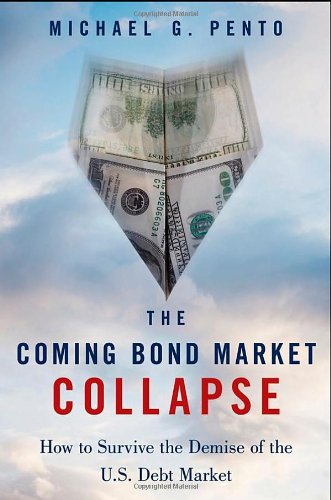
The coming financial apocalypse and what government and individuals can do to insulate themselves against the worst shocks
In this controversial book a noted adherent of Austrian School of Economics theories advances the thesis that the United States is fast approaching the end stage of the biggest asset bubble in history. He describes how the bursting of the bubble will cause a massive interest rate shock that will send the US consumer economy and the US government—pumped up by massive Treasury debt—into bankruptcy, an event that will send shockwaves throughout the global economy. Michael Pento examines how policies followed by both the Federal Reserve and private industry have contributed to the impending interest rate disaster and highlights the similarities between the US and European debt crisis. But the book isn’t all doom and gloom. Pento also provides well-reasoned solutions that, government, industry and individuals can take to insulate themselves against the coming crisis.Paints an alarmingly vivid picture of the massive interest rate shock which soon will send consumers and the government into bankruptcyBacked by a wealth of historical and economic data, Pento explains how the bubble was created and what the U.S. can do to mitigate the impending crisisProvides investors with sound strategies for protecting themselves and their assets against the coming financial apocalypseExplains why retirees, in particular, will be at risk as real estate prices decline, pensions weaken, and the bond bubble bursts