Top Rated Videos

Transcript;
Moderator: Mr. Chairman, we have another question online from Craig Caulfield. Seven years on from the Banking Royal Commission, a key recommendation from Commissioner Hayne has not been enacted. A national scheme for farm debt mediation would be a win-win for both banks and farmers, simplifying muddy and complex laws differing between states. Will the Chair and the CEO lobby to undertake to genuinely introduce a national farm debt mediation scheme via the ABA? Do you agree our farmers need to be respected, and form a growth opportunity for Westpac to pick up some turf from NAB and CBA?
Anthony Miller: I certainly agree with you that the agricultural sector, the farming community, is a tremendous opportunity, and we are looking to grow. I think our growth in the loan book in the agricultural sector last year was in the order of 22%, so we are very focused on what we can do there. In terms of that legacy outcome from the Hayne Royal Commission, I will take that on notice. What we’re very focused on is making sure that we partner really well with the farming customers that we have and working with them to make sure that their financing structure is such that it’s sustainable through the cycle and through particular challenges like drought and other that gets in the way.
So, I think we’ve got that right, and I think what you’re seeing in the marketplace in terms of how active and competitive it is in the agricultural sector, that actually it is right and we are getting the balance right as an industry. I will take on notice that question around farm debt mediation and where we are as an industry post the Royal Commission.
Steven Gregg: I think it is important to note that you rightly say it should be done via the ABA, so why don’t we touch base through that forum? Thank you.

America is now $39 trillion in debt.
You’ve been told the system is stable, but for decades, the real foundation of American power wasn’t gold, it was oil.
Ever since the 1970s, the global economy has depended on one simple rule – if you want energy, you need dollars.
Every country buying oil had to first buy U.S. currency, creating massive global demand that helped America finance wars, expand its economy, and pile up mountains of debt.
Now, that system is starting to crack.
China, BRICS, and major oil-producing nations are building alternatives designed to bypass the dollar entirely. And if fewer countries need dollars, fewer countries need to buy U.S. debt.
That’s where this becomes personal.
America already spends over $1 trillion a year just paying interest on its debt, mortgage rates, inflation, retirement savings… All of it depends on foreign governments continuing to absorb trillions in American bonds.
From the collapse of Bretton Woods and the secret U.S.-Saudi oil deal, to China’s mBridge system and the slow unraveling of the petrodollar era, this is the story of how oil helped sustain America’s debt machine, and what happens if the world stops playing along.
CHAPTERS:
00:00 – America’s $39 Trillion Debt
00:52 – The Dollar Illusion
02:52 – The Secret Petrodollar Deal
06:53 – China Builds a Way Around
10:09 – The Slow Death of the Dollar
12:59 – The Bill Lands on You
13:01 – The Final Domino
15:21 – What Happens When It Breaks
Narrated by: Josh Risser
???? Don’t forget to SUBSCRIBE! ????
SUGGEST A TOPIC:
https://bit.ly/suggest-an-infographics-video
???? Come chat with me: https://discord.gg/theinfoshow
???? MY SOCIAL PAGES
TikTok ? https://www.tiktok.com/@theinfographicsshow
Facebook ? https://www.facebook.com/TheInfographicsShow
???? SOURCES: https://pastebin.com/Yegfg4Rx
All videos are based on publicly available information unless otherwise noted.
The Infographics Show is, and always has been, 100% independently owned and operated. We are not owned by private equity, nor do we receive any outside financing or hidden backing. Our channel is supported solely by standard video ads and the sponsors you see featured directly in our videos.

This is video two in a four part series that explains farm debt mediation in NSW. This video focuses on how to prepare for the mediation. It explains the benefits of preparing well, and the information and assistance that is available. It also explains the role of the mediator, the effect of a satisfactory mediation, the statutory cooling off period for each mediation agreement, and appeal mechanisms.
http://www.alabamaconsumer.com/2014/09/5-options-sued-debt-collector-alabama/
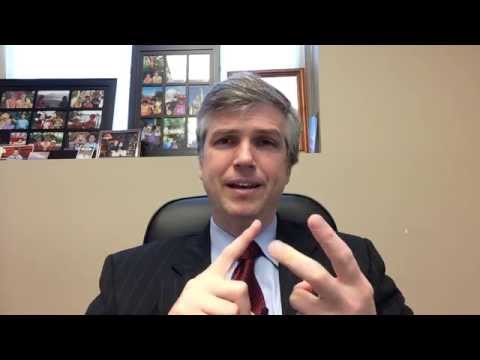
This is the video discussing the second option — fighting the lawsuit on your own — when you have been sued by a debt collector or debt buyer in Alabama.
The five options you have are:
1. Bankruptcy
2. Fight the case on your own
3. Settle the case on your own
4. Hire a lawyer to fight the case
5. Hire a lawyer to settle the case
Each option has advantages and disadvantages (particularly bankruptcy which we rarely recommend).
When looking at fighting the case on your own (also called being “pro se”), the main advantage is there is no lawyer fee.
The main disadvantage is you don’t have a lawyer.
Typically if you have been sued in Circuit Court you don’t want to choose this option as the level of complexity can be too much to handle on your own.
But if you are sued in District or Small Claims court, and you are willing to spend time instead of spending money, then this may be a good choice for you.
We’ll be glad to help you think through your options.
If you have questions about your options when sued in Alabama, please feel free to get in touch with us by calling us at 205-879-2447 or contacting us through our website AlabamaConsumer.com.
John G. Watts
Watts & Herring, LLC
Birmingham, Alabama
No representation is made that the quality of legal services to be performed is greater than the quality of legal services performed by other lawyers.

Martin Lewis offers financial advice to callers.

Lets discuss the ever growing national debt, whether or not this is a concern, if it’s a bubble, and how this affects your money and investing for the future – enjoy! Add me on Instagram: GPStephan
Get 2 Free Stocks on WeBull when you deposit $100 (Valued up to $1400): https://act.webull.com/k/Vowbik9Tm5he/main
NEW: JOIN THE WEEKLY MENTORSHIP – https://the-real-estate-agent-academy.teachable.com/p/graham-stephan-mentorship-program/
The YouTube Creator Academy:
Learn EXACTLY how to get your first 1000 subscribers on YouTube, rank videos on the front page of searches, grow your following, and turn that into another income source: https://bit.ly/2STxofv $100 OFF WITH CODE 100OFF
My ENTIRE Camera and Recording Equipment:
https://www.amazon.com/shop/grahamstephan?listId=2TNWZ7RP1P1EB
The United States is, at its core…kind of like a business. It has what’s called a GDP, which stands for Gross Domestic Product – and that’s the entire market value of all the goods and services produced within the United States..the purpose of this is to measure the economic output of our country, see if we’re GROWING as a society, and when that number goes up – it tells us that incomes are increasing, and people are spending more.
Now, this is important because – ALONGSIDE that GPS – includes all of that revenue that the country makes to keep itself running. After all, roads need to be built, the military needs to continue running, police and firefighters need to get paid, like buttons need to be smashed…and so on. Now, a lot of those types of services are all paid for through our tax dollars – and, just with any business, there are going to be times where there isn’t enough tax revenue to pay for all the services that we get.
Typically, this is done through issuing bonds and treasury bills – which is just a fancy way of saying: The government will pay people interest if they loan it money. And that loan is guaranteed by the United States, which – lets be real – it’s pretty much guaranteed to pay it back, so people see this as a really, REALLY safe investment.
But – in terms of who actually BUYS and OWNS this debt: here you go:
https://www.marketwatch.com/story/heres-who-owns-a-record-2121-trillion-of-us-debt-2018-08-21
So, here are a few concerns that frequently get brought up:
One: If interest rates begin to rise, the cost of holding on to that debt become more expensive. Right now, since interest rates are next to nothing…the United States holding on to $25 trillion worth of debt isn’t much of a concern. If anything, it’s BETTER to hold more debt at a time where interest rates are low…than it is to hold LESS debt when interest rates are high – just because, with low rates, that debt is cheaper to keep.
BUT…if interest rates were to be at 4%…that debt would begin draining money from other resources, and when the United States needs to figure out how to raise more cash – the worry is that they’ll do it through higher taxation.
Two: The other concern is we just carry on as usual…and then leave it up to future generations to worry about. Maybe THEY’LL be the ones that are taxed higher, maybe THEY’LL be the ones with less money spent on public services…or, we can leave it to them to keep kicking the can down a little further until our Grandkids do something about it.
In terms of whether or not we should be worried about our debt…the answer is, PROBABLY NOT.
When we look at our debt in relation to how much money we make…we’re actually a LOT lower than quite a few other countries. You can see here that, sure, we might OWE the most amount of money…but, we also MAKE quite a lot of money, as well:
https://en.wikipedia.org/wiki/List_of_countries_by_external_debt
Secondly, I think it’s assumed that the plan of action here is to keep interest rates low, and then let inflation do its thing – as long as our economy continues to grow, and innovate…that debt will just sit there, whittling away, assuming we don’t keep adding to it.
And really…because of that there’s no REASON to pay off the debt early. Why would they?
HOWEVER…where I see the biggest obstacle, is IF people stop investing in the United States, and we stop growing as fast as we have been…then the United States will be forced to pay higher interest in their debts to entice more people to lend money, and THAT – in turn – would almost certainly mean higher taxes in the future.
For business or one-on-one real estate investing/real estate agent consulting inquiries, you can reach me at GrahamStephanBusiness@gmail.com
*Some of the links and other products that appear on this video are from companies which Graham Stephan will earn an affiliate commission or referral bonus. Graham Stephan is part of an affiliate network and receives compensation for sending traffic to partner sites. The content in this video is accurate as of the posting date. Some of the offers mentioned may no longer be available.
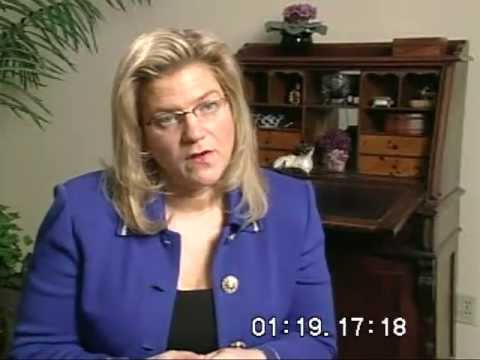
A demonstration of an actual divorce mediation with Diana Mercer of Peace Talks as the mediator. http://www.peace-talks.com
For more information, contact Peace Talks Mediation at (310) 301-2100 or PeaceTalksLA@aol.com.
Diana Mercer is the co-author of Your Divorce Advisor and Making Divorce Work. She’s been an attorney for over 25 years but doesn’t look a day over 33.
Call us at : (+27) 87 550 1760
E-mail us at : info@debthub.co.za
WhatsApp us at : (+27) 68 280 6656
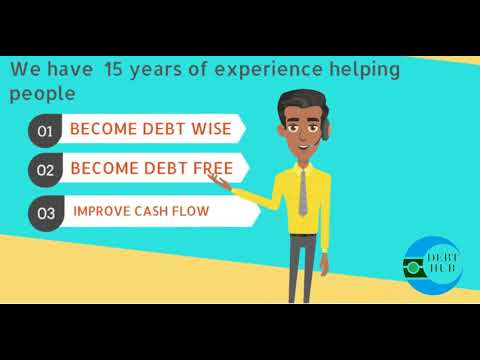
http://www.debtsage.co.za – Welcome To Debsage we offer Debt Counselling in Soweto Area. Call Us Today