Top Rated Videos
If you will live like no one else, later you can live like no one else.
Build up your money muscles with America’s favorite finance coach.
Okay, folks, do you want to turn those fat and flabby expenses into a well-toned budget? Do you want to transform your sad and skinny little bank account into a bulked-up cash machine? Then get with the program, people. There’s one sure way to whip your finances into shape, and that’s with The Total Money Makeover.
By now, you’ve heard all the nutty get-rich-quick schemes, the fiscal diet fads that leave you with a lot of kooky ideas but not a penny in your pocket. Hey, if you’re tired of the lies and sick of the false promises, take a look at this—it’s the simplest, most straightforward game plan for completely making over your money habits. And it’s based on results, not pie-in-the-sky fantasies. With The Total Money Makeover: Classic Edition, you’ll be able to:
•Design a sure-fire plan for paying off all debt—meaning cars, houses, everything
•Recognize the 10 most dangerous money myths (these will kill you)
•Secure a big, fat nest egg for emergencies and retirement!

Fifth Book in the New York Times Bestselling Series.
“We’d won. We’d cut through the lies and treachery and promised an alliance that would free us both. But even as we won, we lost. We didn’t see what was coming. We didn’t know we had to plan a resurrection.”
Nila Weaver fell in love. She gifted her entire soul to a man she believed was worthy. And in the process, she destroyed herself. Three debts paid, the fourth only days away. The Debt Inheritance has almost claimed another victim.
Jethro Hawk fell in love. He let down his walls to a woman he believed was his cure. For a moment, he was free. But then he paid the ultimate price.
There is no more love. Only war. Hope is dead. Now, there is only death all around them.
**Only suitable for Dark Romance lovers.
Full length book. Six in series.
Popular personal finance blogger and money-management expert shows how to overcome financial stress with straightforward advice when debt-reduction programs and budgets fail to help.
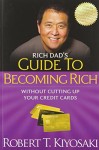
There are ?financial experts” who advise people to take out their credits cards and cut them up. And that may be a good plan for someone who is financially irresponsible, it’s not great advice for someone who wants to build wealth and become financially free. Cutting up your credit cards won’t make you rich; learning to leverage and manage debt will.
If a person has a solid financial education they will know that there are two kinds of debt: good debt and bad debt. A person who understands debt will know how to use good debt to make them richer faster. And when we take control and learn to manage bad debt, seeing it for what it is and understanding the toll it can take if abused, we are on the road to financial freedom.
Learn how to make your money work hard for you? instead of you working hard for money all your life. Understanding debt and how to use and leverage it is an important first step.
Product Features
- Trade Paperback
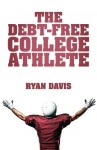
Preparing for college is an exciting time of life, but I know it can be dampened by the mountain-sized financial obstacles standing between you and the college experience of your dreams.
The many parents and student athletes I speak with today are in the exact same boat. They want to know what to expect throughout their college journey. They crave more knowledge, they want to know they’re on the right track, and they want an amazing college tenure that doesn’t leave them high and dry financially.
Well hindsight is 20/20, and I’m excited to share insights with you to ensure you have the best college experience possible. By the end of our time together you will have the training you’ll need to graduate completely debt-free. That means no student-loans, no parent-loans, and freedom after graduation to live your calling and change the world.
See you inside!
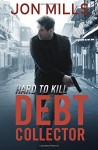
Jack Winchester is a drifter. A ghost to those who pursue him and a danger to those who confront him. Once a notorious hitman for a New Jersey crime family, Jack is now a fugitive trying to right his wrongs. Wanted by the FBI and hunted by one of the Sicilian Mafia’s top assassins, he travels to New Orleans to reconnect with an old flame. But things aren’t what they seem. Not only must he cross paths with a ruthless drug lord just as Hurricane Danielle makes landfall, but he’s about to discover that he may be the only one that can save his ex and daughter.

Billionaire Sheikh Afida Masou-Al doesn’t like his bride-of-convenience. In fact, he positively loathes her. She’s the last person on earth he would have married were it not for an ancient debt and a deathbed promise. Now that it’s done though he decides to at least make the most of it … and there is one definite silver-lining to the whole debacle. His wife is sexy as sin. He doesn’t want her anywhere but his bed … Laurie is under no illusions: this marriage of theirs is far from traditional. She and her groom are a total failure as a couple except in one crucial way. They can’t keep their hands off each other. But can she find the balance between sex, satisfaction and life when there is the constant shadow of his hatred, his mistress, and all of his powerful misconceptions about her? It’s a marriage of convenience with every reason to fail … but is it possible that hate at first sight could turn into something much, much more given time? Set in the sand-swept desert Kingdon of ancient Aktaria BOUND TO THE SHEIKH by Amazon bestseller Clare Connelly is a story that will set your soul on fire…
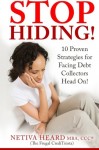
Are Debt Collectors Calling You? On Your Job? On Your Cell? Are You Receiving Threatening Collection Letters in the Mail? Threats to Sue You? Garnish Your Wages? STOP HIDING! Dodging Telephone calls and tossing unopened letters in the mail is NOT the answer! If you are tired of being harassed, insulted, and threatened by debt collectors; THIS EBOOK IS FOR YOU! You’ll receive my 10 proven strategies that I have personally used as a Certified Credit Counselor to save my clients thousands of dollars and to FIGHT BACK and WIN against debt collectors! You’ll learn the POWER that lies in your state and federal consume right laws, how to turn the tables on baseless threats, how to REMOVE COLLECTIONS from your credit reports, what VALIDATION is, how to spot violations during the initial telephone call and in your collection agency letters; CASE LAWS that give you the upper hand, DISPUTE LETTER templates for you to utilize immediately, AND MORE! Remember this, Financial Literacy is POWER. The more educated you are on your rights, the more powerful you are. I’m going to teach you how to get your power back and pound annoying debt collectors in the sand!
I Believe Anyone Can Dramatically Raise Their Credit Score Using These Proven Credit Strategies
You could raise your credit score by 25 points or more overnight with just one of these credit tips.
In this book, you will discover:
Easy To Understand Action Steps Show You The Keys To A Better Credit Score
This life-changing guide to a higher credit score is written in plain English without any jargon, big words or confusing language. Just easy to implement action steps that will help you dramatically increase your credit score (without spending a dime).
How To Instantly Improve Your Credit Score By 20 To 30 Points
Just one tip in this book could help you instantly increase your credit rating by twenty to thirty points. When combined, the strategies in this book could help you go from bad credit to excellent credit.
Credit Repair Made Easy
No matter how bad your credit is right now, you can repair it once and for all! The credit repair strategies in this book will allow you to remove all illegitimate and bad marks from your credit report.
How To Get a Free Credit Score Without Any Hassle
Many websites and companies claim they will give you a free credit score but they don’t! They will try to charge you either a large one-time fee or an ongoing membership fee for access to your credit information. But there is one website that gives you your credit score 100% free without trying to sell you anything, and you can monitor your score 24/7 without any cost! They can even provide you with free email alerts when anything new pops up on your credit report so you can take care of it right away.
How To Get A Huge Discount On Your Mortgage Rates
Following the easy action steps in this guide, you could save thousands of dollars a year in interest on your mortgage, auto loans and other loans.
How To Save As Much As $500 On Your Cell Phone Plan
With the good credit you’ll have using this book, you could save as much as $500 on your next cell phone service plan thanks to your excellent credit history.
Get Better Rates On Car Insurance And Auto Loans
You can also get much cheaper rates on car insurance and auto loans with your new, higher credit score, and avoid getting taken advantage of by shady finance companies.
Have The Ideal Number of Credit Cards To Maximize Your Credit Score
Did you know there’s a “secret number” of credit cards you should have to maximize your credit score? Not only will you learn how getting the right number of credit cards will help your score, but you’ll also learn how to get huge discounts on credit card interest rates and annual fees with a simple 5-minute phone call.